about pcoms
Osteopathic Medicine
Osteopathic Medicine
A Whole-Person Approach to Care
Doctors of Osteopathic Medicine (DOs) practice a “whole person” approach to healthcare. Osteopathic physicians concentrate on preventive care and provide a unique patient-centered treatment rather than just focusing on the symptoms. DOs are fully licensed physicians who can prescribe medication, perform surgery and work in all medical specialties.
Osteopathic physicians understand how all the body’s systems are interconnected and how each one affects the others. They focus special attention on the musculoskeletal system, which reflects and influences the condition of all other body systems. By applying this knowledge with the latest advances in medicine today, they provide a holistic approach to healthcare.
THE FOUNDER
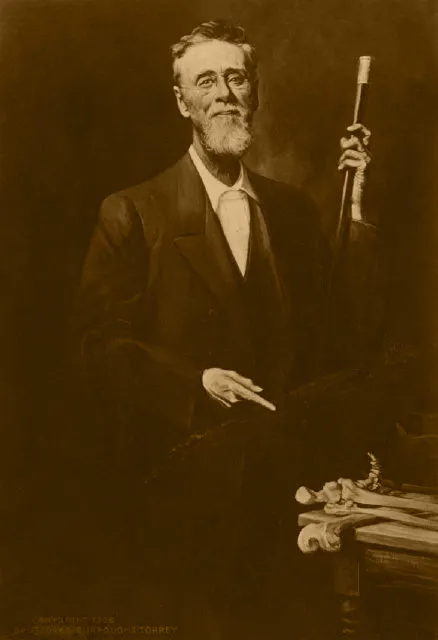
Dr. A.T. Still
Dr. A.T. Still established the philosophy of osteopathic medicine 150 years ago in 1874. Since then, DOs throughout the nation have impacted countless lives, created 40 accredited colleges of osteopathic medicine to train future DOs and advocated for patients, among many other accomplishments. In 2025, the osteopathic profession reached a significant milestone with over 200,000 practicing DOs and osteopathic medical students in the United States.
- Dr. Still emphasized a holistic approach to healthcare, focusing on the body’s ability to heal itself.
- Dr. Still founded the first osteopathic medical school, the American School of Osteopathy, in 1892.
- He advocated for the integration of the musculoskeletal system in diagnosing and treating illnesses.
- Osteopathic medicine incorporates both conventional and alternative treatments.
- Representing approximately 11% of physicians in the United States and over 25% of medical students, osteopathic physicians (DOs) practice in all medical specialties, emphasizing preventive care. Today, esteemed DOs lead some of the nation's top-ranked hospitals and and health services including providing care for the U.S. President.
The Path
Becoming an Osteopathic Physician
- 1
Osteopathic Medical School
To become an osteopathic physician, an individual must be a graduate of one of the nation’s osteopathic medicine schools. The osteopathic curriculum involves four years of academic study. As a reflection of The Osteopathic Philosophy, the curriculum emphasizes preventive medicine, lifestyle and environmental factors with focus on holistic patient care.
- 2
Rotating Internship
After completing osteopathic medical college, DOs serve a one-year rotating internship, gaining hands-on experience in internal medicine, obstetrics/gynecology, family practice, pediatrics and surgery. This experience ensures that osteopathic physicians are first trained as primary care physicians – even if they plan to pursue a specialty. The internship provides every physician with the perspective to see and treat every patient as a whole person.
- 3
Residency
Most DOs then choose to complete a residency program in a specialty area such as internal medicine, surgery, pediatrics, radiology or pathology. A residency typically requires from two to six years of additional training.
- 4
Licensure
All physicians must pass a state medical board examination to obtain a license and enter practice. Each state board sets its own requirements for the physician to practice in that state.
Become a Member
Join the PCOMS Community
Connect with osteopathic physicians across Pinellas County and access CME resources, member benefits, and professional support.